

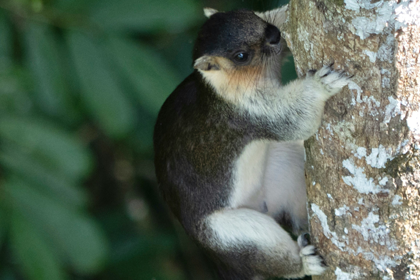
The latest Living Planet Report from the World Wide Fund for Nature (WWF) and the Zoological Society of London (ZSL) offers a sobering reminder of our planet’s ongoing environmental crisis. Wildlife populations have plummeted by an average of 73% since 1970, with declines reaching a staggering 95% in Latin America. While these statistics highlight the urgency of protecting biodiversity, they also present critical challenges and opportunities for asset managers, investment teams, and stewardship professionals.
Biodiversity loss, which refers to the diminishing variety of life on Earth, is not just an environmental issue but also an economic one. Healthy ecosystems are the bedrock of our economy, providing services such as pollination, water filtration, carbon storage, and food production. As these systems deteriorate, industries and sectors that rely on natural resources face higher costs and operational risks.
Investors are increasingly aware of the links between biodiversity loss and economic stability. Climate change and biodiversity degradation can introduce significant financial risks, from disrupted supply chains to regulatory penalties. The Living Planet Report serves as a wake-up call for the investment community to incorporate biodiversity into decision-making and align portfolios with sustainable practices.
The Living Planet Report stresses the need for a rapid shift in how we allocate financial resources. According to the report, while £150 billion is currently invested in nature-based solutions, around £5 trillion still flows into activities that harm ecosystems. For asset managers, this presents a clear call to reallocate capital from environmentally harmful practices to investments that contribute to biodiversity restoration and climate resilience.
Nature-based solutions (NbS) – which include reforestation, sustainable agriculture, and habitat protection – are not only critical for biodiversity but also provide long-term financial returns by mitigating risks associated with ecosystem degradation. For example, sustainable food systems, one of the report’s core recommendations, can offer investment opportunities in companies innovating to reduce food waste or increase yield through environmentally friendly methods.
Stewardship teams have a crucial role in pushing companies toward sustainable practices. The report emphasises that current market behaviours – particularly those driving deforestation, overfishing, and habitat destruction – must change if we are to halt the planet’s ecological decline.
Investors can use their voting power to influence corporate policies, encouraging firms to adopt biodiversity-friendly practices. This could involve pushing for stronger commitments on reducing carbon emissions, stopping land-use practices that lead to habitat destruction, or advocating for better supply chain transparency. Encouraging companies to report on their biodiversity impacts and risks can provide more transparency for future investment decisions.
As the world rallies around net-zero carbon goals, biodiversity must not be left out of the equation. The Living Planet Report highlights that activities like deforestation and habitat destruction not only contribute to species extinction but also exacerbate climate change by reducing the planet’s ability to sequester carbon. A dual approach – one that addresses both biodiversity loss and climate change – should be integral to portfolio management strategies.
Investors can target companies that have pledged to reduce both their carbon and biodiversity footprints, looking for organisations committed to practices like regenerative agriculture or conservation finance.
The report underscores the proximity of several ecological “tipping points” – irreversible changes in ecosystems such as the collapse of coral reefs, deforestation of the Amazon, or the melting of polar ice caps. Should these tipping points be reached, they will have devastating consequences for both nature and human society, threatening food security, water availability, and the global economy.
For investment teams, the potential economic fallout from these tipping points is profound. The collapse of ecosystems could lead to significant market volatility, especially in sectors reliant on natural resources like agriculture, fisheries, and tourism. By understanding and preparing for these risks, investors can better protect their portfolios from the long-term impacts of biodiversity loss.
Biodiversity must become a more prominent focus within ESG frameworks. By integrating biodiversity considerations into their investment strategies, portfolio managers can align with global goals, such as the Global Biodiversity Framework and the UN Sustainable Development Goals, both of which aim to halt and reverse nature loss by 2030.
Investors should also consider partnerships with organisations that provide the tools and metrics needed to assess biodiversity impacts, such as the Taskforce on Nature-related Financial Disclosures (TNFD), which seeks to provide a framework for companies to report and act on evolving nature-related risks.
The Living Planet Report is a stark reminder that biodiversity loss is not just an environmental problem – it’s an economic one that urgently demands the attention of asset managers, investment teams, and stewardship professionals. By redirecting capital toward sustainable practices, engaging in active stewardship, and adopting integrated approaches to carbon and biodiversity, the financial community can play a pivotal role in reversing the ecological decline that threatens both the planet and economic stability. As we approach critical global summits like COP16 and COP29, the time to act is now.